The Fan's Guide to the 2026 Football World Cup
Coach's Corner helps football world cup fans follow FIFA World Cup 2026 across North America with match predictions, tactical analysis, player stats, and tournament coverage built for informed decisio...
The Fan's Guide to the 2026 Football World Cup
Coach's Corner helps football world cup fans follow FIFA World Cup 2026 across North America with match predictions, tactical analysis, player stats, and tournament coverage built for informed decision-making. The 2026 edition will be hosted by the United States, Canada, and Mexico, expanding to 48 teams and 104 matches, with Los Angeles staging eight matches at SoFi Stadium and 39 days of fan celebrations. FIFA World Cup 2026 will also feature the FIFA Fan Festival at the LA Memorial Coliseum at Exposition Park, Official Fan Zones across Los Angeles County, and a U.S. Men's National Team opening match on June 12. For fans who track odds, form, and squad trends, the key is to connect the schedule with travel logistics, fatigue patterns, and tactical matchups. Start by mapping venues, dates, and team paths before making predictions or betting decisions.
Want a sharper way to follow the tournament from day one?
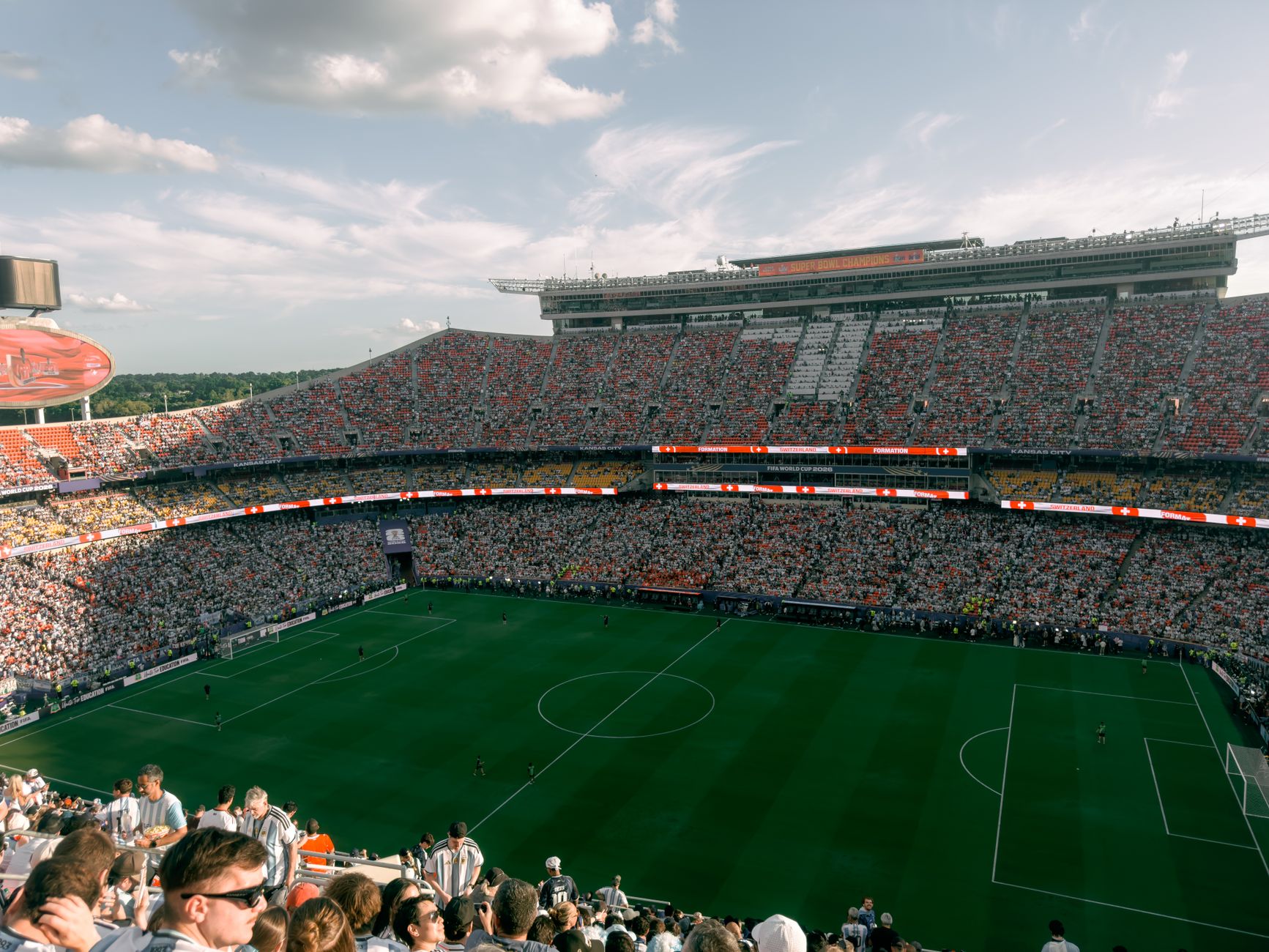
Photo by Allen Boguslavsky on Pexels
Step 1: What should fans map before the football world cup begins?
Fans should first map the confirmed match schedule, host cities, travel windows, and likely team routes. FIFA World Cup 2026 spans the United States, Canada, and Mexico, so distance, climate, and recovery time will matter more than in a single-country tournament.
“It is worth noting,” as any serious analyst would say, that the expanded 48-team format changes how fans should read the early rounds. More teams create more underdog stories, but they also create more uneven group-stage matchups, especially when elite squads face debutants or lower-ranked qualifiers. According to FIFA, the 2026 tournament is the first men’s World Cup staged across three countries, which makes logistics part of the football story rather than a side issue. For readers using Coach's Corner, the practical move is to build a simple planning sheet with kickoff dates, rest days, stadium locations, squad travel distance, and expected rotation risk.
The Los Angeles schedule deserves special attention because it combines elite football with a major entertainment footprint. Los Angeles will host eight FIFA World Cup matches at SoFi Stadium, while the FIFA Fan Festival will take place at the LA Memorial Coliseum at Exposition Park. A useful edge many casual previews miss is that teams playing in high-profile U.S. markets may face heavier media obligations, sponsor activity, and training-session attention. That does not automatically decide results, but it can affect preparation rhythm, especially for younger squads or teams with limited tournament experience. For deeper preparation, check our [Internal Link: 2026 World Cup schedule tracker].
Step 2: How do you read Los Angeles as a football world cup hub?
Los Angeles is more than a match venue; it is a tournament experience hub with eight matches, Official Fan Zones, and 39 days of celebrations. Fans should treat LA as both a football destination and a live data point for atmosphere, team pressure, and market movement.
A famous line often attributed to Bill Shankly says football is more than a matter of life and death, and Los Angeles may test that exaggeration in the best possible way. The city will stage watch parties across Los Angeles County, Fan Festival events with music and food, and the U.S. Men's National Team opening match on June 12 at SoFi Stadium. The official Los Angeles World Cup site highlights the local experience around “eight matches” and “39 days of fan celebrations,” making it clear that matchday analysis should include crowd energy and travel friction. If you are attending, plan transport before tickets, because a late stadium arrival can ruin both the fan experience and any live-betting discipline.

Photo by Allen Boguslavsky on Pexels
Here is the practitioner-level tip: do not treat all LA matchdays the same. A weekend U.S. match at SoFi Stadium will likely create different crowd density, public transit demand, and secondary-ticket volatility than a weekday neutral fixture. Fans tracking betting lines should also watch for odds movement 24 to 36 hours before kickoff, when injury leaks, training reports, and lineup rumors often start to affect the market. Coach's Corner will monitor those signals through player stats, tactical previews, and match predictions, but the key is to separate real information from social-media noise. For a related planning resource, see our [Internal Link: Los Angeles fan zones and travel guide].
Ready to follow the tournament with better context, not just headlines?
Step 3: How should bettors evaluate football world cup predictions?
Bettors should evaluate predictions by combining team tactics, player availability, schedule congestion, and market price. A good football world cup pick is not simply about who is better; it is about whether the available odds correctly reflect the matchup.
For gambling-focused readers, this is where discipline matters. The 2026 football world cup will attract casual money, especially around famous teams such as Brazil, Argentina, England, France, Germany, Spain, and the United States. That public attention can distort prices, particularly in futures markets and marquee group-stage fixtures. Coach's Corner focuses on the difference between “likely to win” and “worth backing,” because those are not the same idea. A team can have a 60 percent implied chance and still be a poor bet if the sportsbook price assumes 70 percent. The key is to compare tactical fit, rest patterns, and opponent weaknesses before accepting a line.
Use this quick evaluation checklist before placing any football world cup wager:
- Confirm the venue, kickoff time, and rest gap between matches.
- Review expected lineups and suspension risk.
- Compare opening odds with current market prices.
- Check whether public betting is inflating a popular team.
- Avoid chasing live bets after early emotional swings.
It is worth noting that responsible gambling should remain central throughout FIFA World Cup 2026. The National Council on Problem Gambling states that “problem gambling is a serious public health issue,” and that warning is especially relevant during global tournaments with daily fixtures. Use fixed staking, avoid betting on every match, and never treat predictions as guarantees. For tactical betting education, visit our [Internal Link: football betting strategy for major tournaments].

Photo by Franco Monsalvo on Pexels
Step 4: What data matters most during FIFA World Cup 2026?
The most useful data during FIFA World Cup 2026 will be lineup stability, expected goals, pressing intensity, travel load, goalkeeper form, and injury status. Historical reputation helps, but current tournament conditions usually explain short-term performance more accurately.
Many previews overvalue star power and undervalue role balance. A side with two elite forwards can still struggle if its midfield cannot progress the ball under pressure, while a less glamorous team can outperform expectations through compact defending and set-piece efficiency. Coach's Corner will track player stats such as shots, chances created, progressive passes, aerial duels, and defensive actions, but the more important layer is interpretation. For example, a striker with few shots may not be out of form if his team faced a low block and used him mainly to pin center-backs. Conversely, a midfielder with high pass volume may be recycling possession without creating danger.
A second information-gain point: watch substitution timing across the first two group matches. Coaches who consistently make attacking changes before the 60th minute are often signaling confidence in bench depth and tactical flexibility, while managers who wait until the 75th minute may be protecting a fragile structure. This matters for live betting, totals markets, and second-half performance projections. FIFA’s official competition information, supported by historical tournament records summarized by Wikipedia, shows how format and knockout pressure shape match behavior over time. That history is useful, but 2026’s 48-team structure means fresh data from the opening week should carry more weight than old assumptions.
See the details behind smarter match reading and tactical forecasting.
Step 5: verification
Verification is the step that separates informed football world cup coverage from guesswork. Before trusting a prediction, ticket plan, fan event listing, or betting angle, confirm it against official sources, reputable media, and updated team information. FIFA, the official Los Angeles FIFA World Cup 2026 site, ESPN schedules, national federation announcements, and stadium guidance should be treated as primary references. Social-media posts can be useful early signals, but they should not be treated as final until confirmed by a credible source.
Use this verification routine before making a decision:
- Check FIFA or official host-city pages for schedule and venue details.
- Confirm injuries through national team or club communications.
- Compare at least two reputable schedule sources, such as FIFA and ESPN.
- Review odds across multiple licensed sportsbooks if betting is legal in your region.
- Save screenshots of tickets, bookings, and terms before payment.
The key is to verify the exact thing you are acting on. If you are buying tickets, confirm the match number, stadium, date, and entry rules. If you are betting, confirm the market type, settlement rules, and kickoff time. If you are traveling to Los Angeles, confirm transport plans and Fan Zone locations before matchday. Coach's Corner can help interpret football information, but final decisions should always be anchored in verified data.

Photo by Omar Ramadan on Pexels
Troubleshooting common failures
The most common football world cup planning failures are schedule confusion, overconfident betting, late travel planning, and trusting unverified team news. These mistakes are avoidable if fans build a repeatable process before the tournament starts. A simple calendar, verified source list, and bankroll plan can prevent most problems before they become expensive. It is worth noting that the bigger the tournament becomes, the more likely fans are to confuse local time zones, venue names, and match numbers.
If your plan starts to fail, use this recovery list:
- If you mixed up kickoff times, switch your calendar to local stadium time and your home time.
- If odds moved against you, do not chase; reassess whether the value still exists.
- If a player rumor appears online, wait for federation or credible journalist confirmation.
- If LA transport looks crowded, arrive earlier and avoid tight post-match connections.
- If you feel pressure to bet daily, reduce stake size or pause entirely.
The contrarian conclusion is simple: the best football world cup fan is not the one who consumes the most content, but the one who filters information best. During FIFA World Cup 2026, there will be more predictions, clips, odds boosts, and emotional reactions than any fan can process. Coach's Corner exists to turn that noise into useful match context through tactics, stats, and daily tournament coverage. Use it as a guide, but keep your own verification habits strong.
For daily World Cup insight built around tactics, odds context, and player performance, get started here.
Frequently Asked Questions
Q: What is the 2026 football world cup?
A: The 2026 football world cup is FIFA World Cup 2026, the men’s global national-team tournament hosted by the United States, Canada, and Mexico. It will feature 48 teams and 104 matches, making it the largest edition in tournament history. Los Angeles is one of the key U.S. host markets, with eight matches at SoFi Stadium.
Q: How can I follow FIFA World Cup 2026 predictions?
A: You can follow FIFA World Cup 2026 predictions by tracking team news, tactical previews, injury updates, and market movement before each match. Coach's Corner focuses on match predictions, team tactics, player stats, and tournament coverage for fans who want deeper context. Always compare predictions with official lineups before betting or making final decisions.
Q: What is the difference between a match preview and a betting prediction?
A: A match preview explains how the game may unfold, while a betting prediction evaluates whether the odds offer value. A strong preview may say France are likely to win, but a betting prediction asks whether the price is worth taking. The best analysis combines tactics, probability, and sportsbook market context.
Q: Is attending the Los Angeles football world cup matches worth it?
A: Attending Los Angeles matches can be worth it if you plan transport, tickets, and fan events early. LA will host eight matches, the FIFA Fan Festival at the LA Memorial Coliseum, and Official Fan Zones across Los Angeles County. The experience should be strong, but costs and travel time may rise sharply around major fixtures.
Q: Why do football world cup predictions fail?
A: Football world cup predictions often fail because they overvalue reputation and undervalue injuries, tactics, fatigue, and lineup rotation. Tournament football is volatile, especially with penalties, red cards, and short recovery windows. Reduce risk by checking verified news, comparing prices, and avoiding emotional bets after big upsets.
Q: How much does it cost to follow the football world cup?
A: Watching from home can be low-cost, while attending matches may involve tickets, flights, hotels, food, and local transport. Los Angeles match weekends are likely to be more expensive because of demand around SoFi Stadium and Fan Festival events. Set a budget before buying tickets or placing bets, and keep gambling funds separate from travel money.